Dead Tree Removal in Pottstown, PA
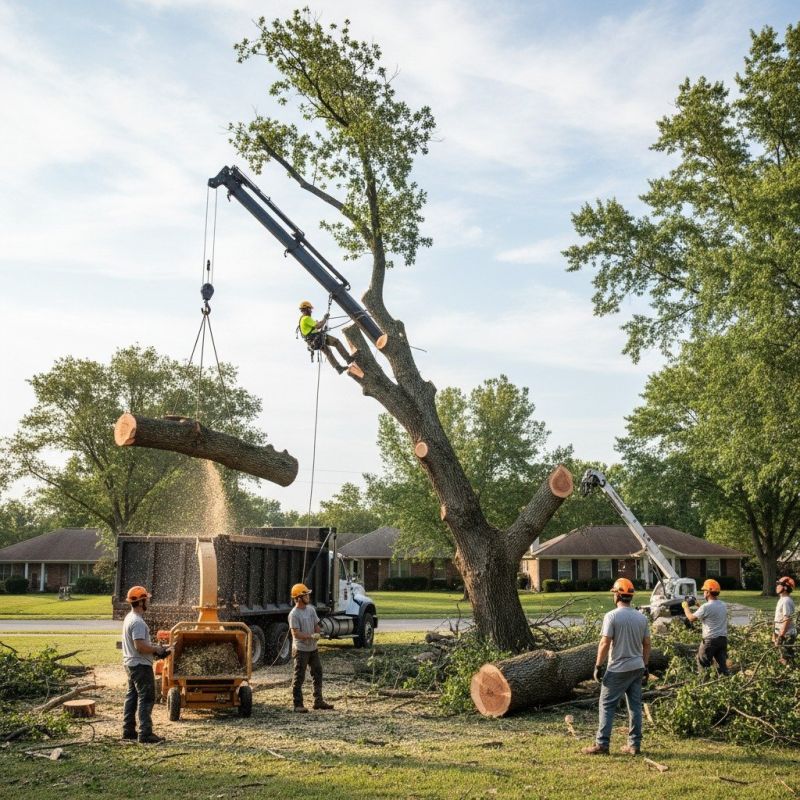
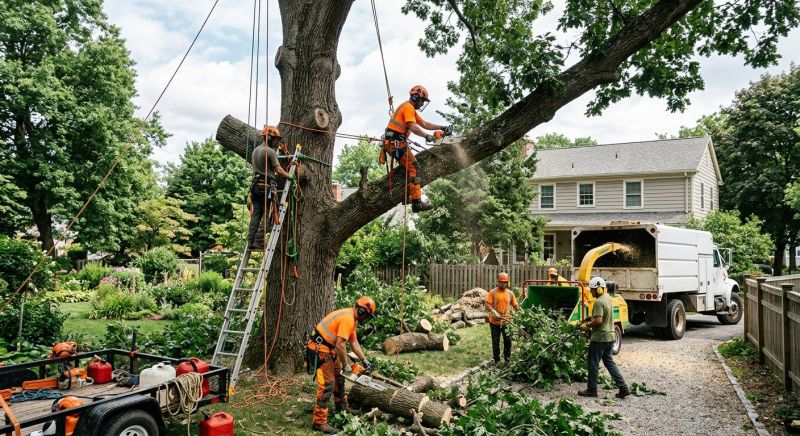
Dead tree removal services involve the safe and efficient removal of trees that are dead, dying, or pose a risk to surrounding property. This type of project typically includes assessing the condition of the tree, planning the removal process, and carefully cutting and removing the tree and its debris. Homeowners often request this service when a tree shows signs of decay, becomes unstable, or is located near structures, power lines, or high-traffic areas, to prevent potential damage or safety hazards.
Before requesting dead tree removal, property owners should consider the location of the tree, the extent of decay or damage, and any potential impacts on nearby landscaping or structures. It is also useful to understand the scope of work involved, including whether stump grinding or debris cleanup is included. Proper planning helps ensure the removal process is conducted safely and efficiently, minimizing disruption to the property.
Many property owners in Pottstown, PA look into Dead Tree Removal for repairs, replacements, upgrades, and appearance-related improvements.
Reasons To Remove Dead Trees
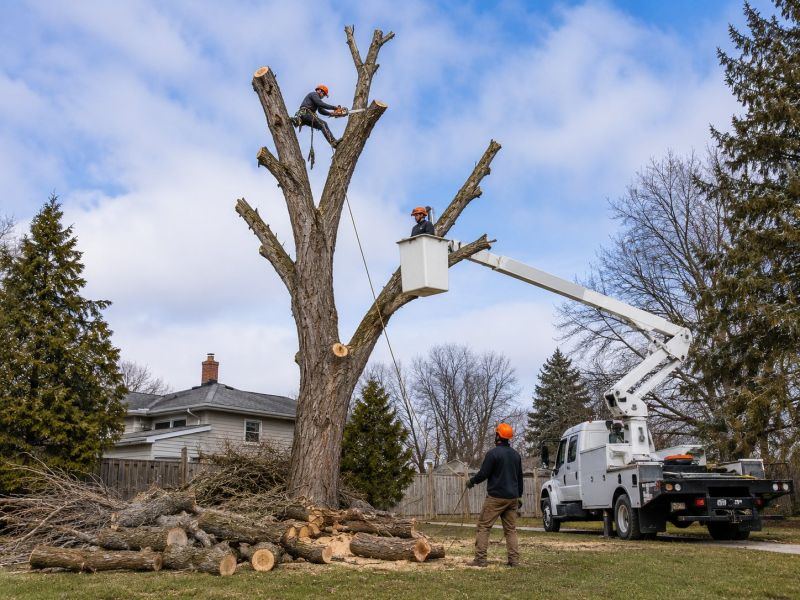
Removing dead trees helps prevent potential property damage and safety hazards on residential and commercial properties.
Signs A Tree Needs Removal
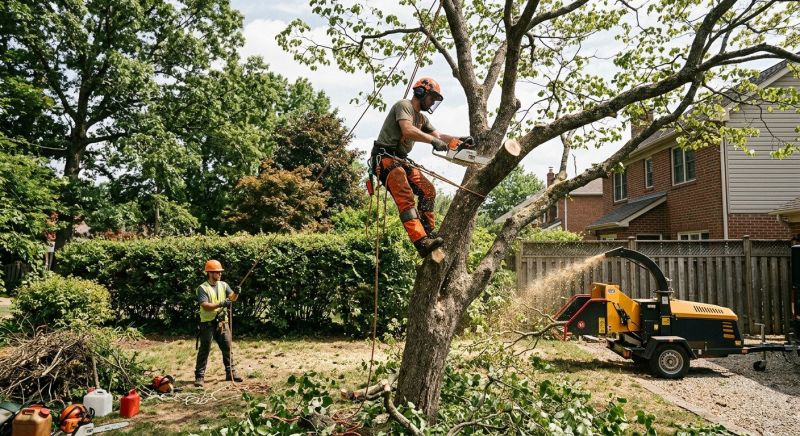
Indicators include dead or dying branches, fungal growth, or leaning trunks that compromise stability.
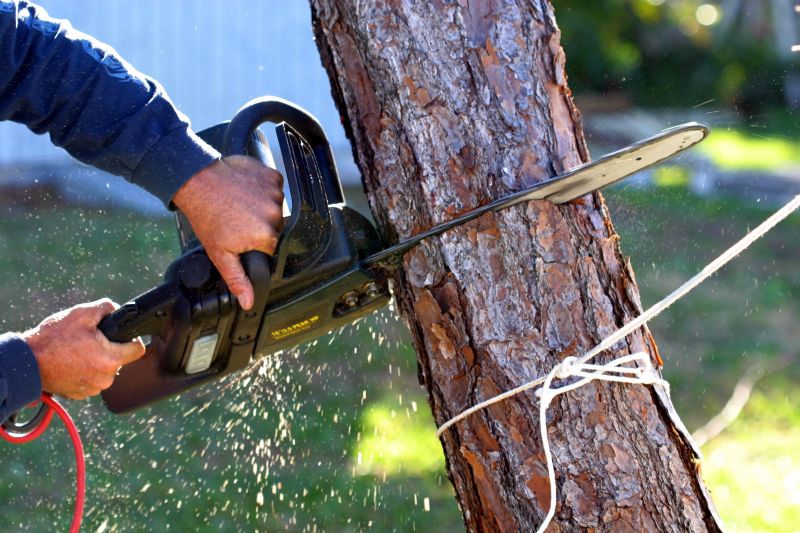
Benefits Of Professional Removal
Expert services ensure safe and efficient removal, minimizing risk to surrounding structures and landscape.
Dead Tree Removal in Pottstown, PA
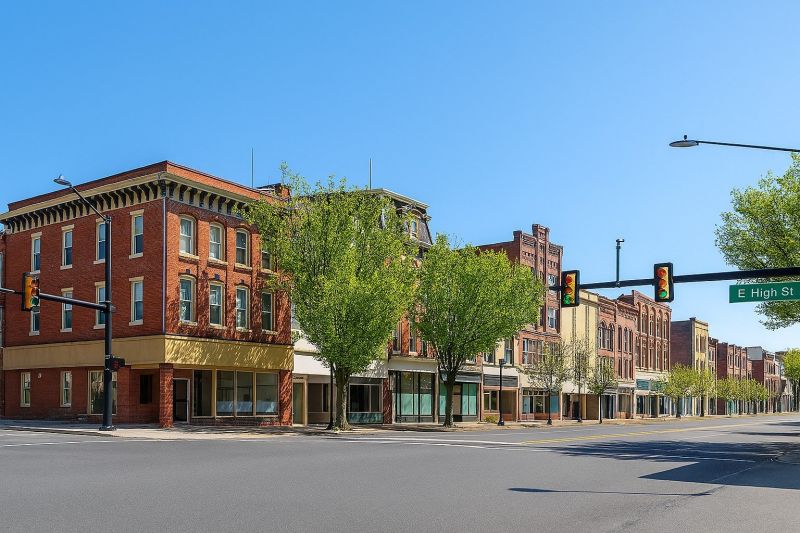
Dead tree removal services involve the safe and efficient removal of trees that are dead, dying, or pose a risk to surrounding property. This type of project typically includes assessing the condition of the tree, planning the removal process, and carefully cutting and removing the tree and its debris. Homeowners often request this service when a tree shows signs of decay, becomes unstable, or is located near structures, power lines, or high-traffic areas, to prevent potential damage or safety hazards.
Before requesting dead tree removal, property owners should consider the location of the tree, the extent of decay or damage, and any potential impacts on nearby landscaping or structures. It is also useful to understand the scope of work involved, including whether stump grinding or debris cleanup is included. Proper planning helps ensure the removal process is conducted safely and efficiently, minimizing disruption to the property.
Many property owners in Pottstown, PA look into Dead Tree Removal for repairs, replacements, upgrades, and appearance-related improvements.
Common Dead Tree Removal Jobs
Dead Tree Removal - Safely removing hazardous or dead trees to protect property and safety.
Stump Grinding - Eliminating tree stumps to improve landscape appearance and prevent pest issues.
Emergency Tree Removal - Quickly removing fallen or unstable trees after storms or severe weather.
Selective Tree Removal - Removing specific trees to maintain landscape health and aesthetics.
Tree Trimming & Pruning - Cutting dead or overgrown branches to promote healthy growth.
Property Clearing - Clearing dead trees and debris to prepare land for new landscaping or construction.
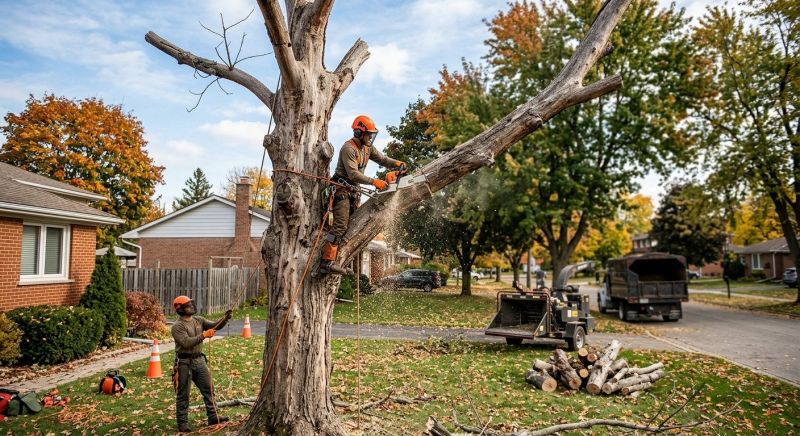
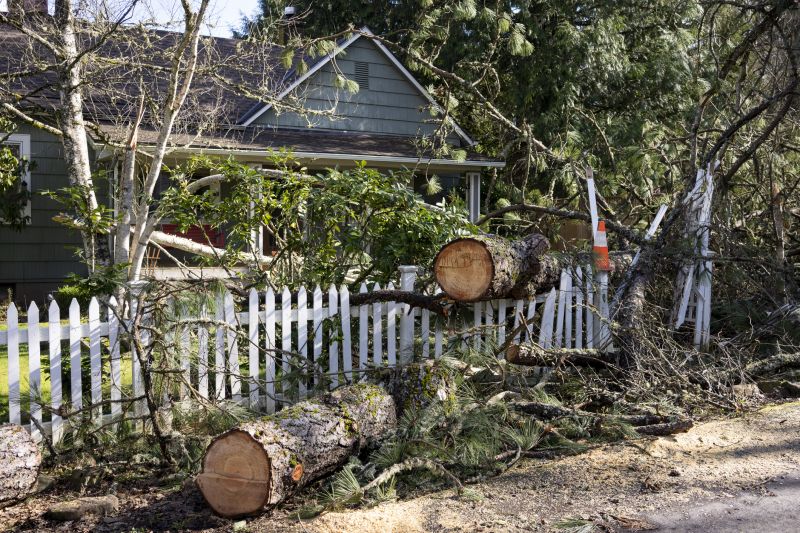
Dead Tree Removal Questions
Why should dead trees be removed? Dead trees can pose safety hazards and may cause damage to nearby structures or healthy trees if left unattended.
How is a dead tree identified? Signs include lack of leaves, dead branches, fungal growth, and overall decline in health or stability.
What are common reasons for removing dead trees? Removal is often requested due to safety concerns, disease, pest infestation, or to improve the appearance of the property.
What should property owners consider before removing a dead tree? It's important to assess the tree's location, size, and potential impact on surrounding areas before removal.
Request Dead Tree Removal in Pottstown, PA
Use the quote form on this page to share the basics of your project and request more information for the type of work you need.